

A faith-centered lifestyle is defined as the daily, active integration of trust in God into every decision, relationship, and habit. Research confirms that religious involvement produces a 10-to-1 ratio of positive to negative mental health outcomes. That number is not a spiritual claim. It is a finding from a meta-analysis of scientific literature. The benefits of a faith-centered lifestyle reach far beyond Sunday mornings. They show up in your brain chemistry, your immune system, your relationships, and your sense of purpose every single day.
1. How does a faith-centered lifestyle improve mental health?
Faith-centered living produces measurable mental health gains. Religious involvement associates with a 10-to-1 ratio of positive to negative outcomes across major mental health measures, including depression, anxiety, and substance use. That ratio means for every one negative mental health outcome linked to faith, ten positive outcomes appear in the research.
Faith also sharpens emotional regulation. Dr. William Van Gordon’s work on spirituality shows that faith improves self-awareness and helps people respond to challenges with calm rather than impulsive reaction. That shift from reaction to response is one of the most practical advantages of spiritual living.

Spiritual well-being also provides a sense of meaning that directly correlates with greater happiness. When you know why you are here, daily stress loses its grip. Faith gives that “why” a clear and stable foundation.
Practical faith-based routines that support mental health:
- Morning prayer or Scripture reading to set a calm, purposeful tone for the day
- Journaling gratitude and answered prayers to reinforce positive thinking patterns
- Weekly worship attendance to maintain accountability and community connection
- Quiet meditation on a single Bible verse to reduce mental noise and anxiety
Pro Tip: Start with five minutes of morning Scripture reading before checking your phone. That single habit reorients your mind before the noise of the day sets in.
2. What physical health benefits does faith provide?
Faith-based lifestyle benefits extend directly into the body. Physical health outcomes linked to religious involvement show a 7-to-1 positive ratio across measures like cardiovascular disease, cancer risk, and addiction. That means faith is not just good for the soul. It is good for the heart, the immune system, and the brain.
Purpose, which faith provides in abundance, protects the brain at a biological level. A study of nearly 9,000 people found that a high sense of life purpose links to lower inflammation and healthier immune profiles. A separate 15-year study with approximately 14,000 individuals found a 28% lower risk of dementia among those with high purpose. Lower inflammation means less chronic disease. A 28% dementia reduction is a number that should stop you in your tracks.
A 23-year longitudinal study also found that clear life goals predict longevity more accurately than life satisfaction alone. Faith delivers those goals with clarity and conviction.
| Physical benefit | Mechanism | Research finding |
|---|---|---|
| Lower dementia risk | High life purpose reduces neurological decline | 28% lower risk in 15-year study |
| Reduced inflammation | Purpose linked to healthier immune profiles | Study of nearly 9,000 people |
| Longer lifespan | Clear life goals predict longevity | 23-year longitudinal study |
| Lower addiction risk | Religious involvement reduces substance use | 7-to-1 positive physical health ratio |
Pro Tip: Treat your spiritual practices like physical training. Experts recommend 5–10 minutes daily of prayer, meditation, or journaling to build spiritual vitality the same way exercise builds physical strength.
3. How does faith-centered living strengthen social connections?
Faith communities offer a depth of relationship that is rare in modern life. When you belong to a church or faith group, you gain a network of people who share your values, check on you during hard times, and celebrate your wins. That kind of relational depth buffers the health risks of social isolation, which research consistently links to depression and early death.
Religious people report greater happiness in part because they believe the world needs them. That belief, sometimes called the primal belief “the world needs me,” mediates happiness among religious individuals. It is not just about feeling good. It is about feeling necessary, which is a fundamentally different and more durable form of well-being.
Serving others inside a faith community reinforces spiritual identity and multiplies mental health benefits. When you volunteer, mentor, or simply show up for someone in need, you activate purpose and belonging at the same time.
Faith-based community activities that build connection:
- Joining a small group Bible study for weekly relational depth
- Volunteering at a church food pantry or community outreach program
- Participating in prayer chains or accountability partnerships
- Attending faith-based retreats or conferences to meet believers outside your local circle
- Giving Christian clothing gifts that carry faith messages and spark conversations about belief
4. Practical steps to integrate faith into everyday life
Faith is an active stance of trust, not a passive belief you hold in the back of your mind. Active faith requires ongoing re-engagement, especially during doubt and adversity. The believers who gain the most from a faith-driven lifestyle are those who treat faith as a daily discipline rather than a weekend activity.
Here are concrete steps to build that discipline:
- Start your morning with Scripture. Choose one verse each day and carry it into your decisions. This is not devotional decoration. It is a mental anchor.
- Pray with specificity. Vague prayers produce vague faith. Name your fears, your goals, and your gratitude out loud. Specificity builds trust.
- Journal your faith journey weekly. Writing down where you saw God move reinforces purpose and builds a personal record of answered prayer.
- Align your money with your values. Generosity is a faith practice. Tithing and charitable giving are not financial burdens. They are declarations of trust.
- Persevere through adversity without abandoning your practices. The key advantage of faith is resilience through hardship, not the avoidance of it. Staying consistent during hard seasons is where faith produces its deepest benefits.
- Wear your faith visibly. Apparel with messages like “Faith Over Fear” or “Jesus Saves” is not just clothing. It is a daily reminder of your identity and a conversation starter with others. Boldfaithapparel designs Christian apparel that speaks that conviction into every piece.
- Serve someone outside your comfort zone each week. Service breaks self-focus and activates the “world needs me” belief that research links directly to happiness.
5. Common misconceptions about faith that limit its benefits
The biggest misconception about faith is that it requires surrendering personal control. The opposite is true. Faith strengthens emotional control and self-awareness, giving believers more capacity to respond calmly rather than react impulsively. Surrendering outcomes to God does not mean becoming passive. It means releasing anxiety about what you cannot control while acting decisively on what you can.
A second misconception is that faith should produce immediate peace. Real faith builds resilience through adversity, not around it. The process of trusting God when circumstances are hard is exactly what produces the psychological strength that research measures.
Three misconceptions that block the full advantages of spiritual practices:
- Faith is a feeling. Faith is a choice and a practice. Feelings follow action, not the other way around.
- Faith is a private matter only. Transformative impact occurs when faith becomes the foundation for decisions, character, and testimony, not just an internal experience.
- Intellectual belief is enough. Moving from knowing about God to actively trusting God in daily decisions is where the documented benefits of a spiritual lifestyle actually appear.
Key takeaways
A faith-centered lifestyle produces measurable improvements in mental health, physical longevity, and social well-being because it provides purpose, resilience, and community that science consistently links to better outcomes.
| Point | Details |
|---|---|
| Mental health ratio | Religious involvement links to 10-to-1 positive mental health outcomes in research. |
| Physical protection | High life purpose reduces dementia risk by 28% and lowers inflammation markers. |
| Social belonging | Believing “the world needs me” mediates happiness among people of faith. |
| Active practice required | Daily prayer, journaling, and service produce the most durable faith benefits. |
| Faith as foundation | Transformative results come when faith shapes decisions, money, and relationships. |
Why I believe a faith-centered life changes everything
I have watched people carry enormous burdens with a steadiness that has nothing to do with personality type or circumstances. The common thread is always the same. They have built a daily practice of trust that holds when everything else shakes. That is not wishful thinking. That is what the research on purpose, resilience, and community consistently describes.
What surprises most people is that the benefits do not come from having perfect faith. They come from showing up to practice it every day, especially on the days when it feels hollow. The 23-year longevity study did not measure people who felt purposeful. It measured people who had clear goals. Faith gives you those goals and the conviction to pursue them through difficulty.
The most practical thing I can tell you is this: do not wait until your faith feels strong to act on it. Act on it now, and the strength will follow. Start with one verse, one prayer, one act of service. Build from there. The science and the Scripture point in the same direction.
— Larry
Wear your faith out loud with Boldfaithapparel
Faith lived out loud changes the people around you. One of the simplest ways to carry your conviction into every room is through what you wear.
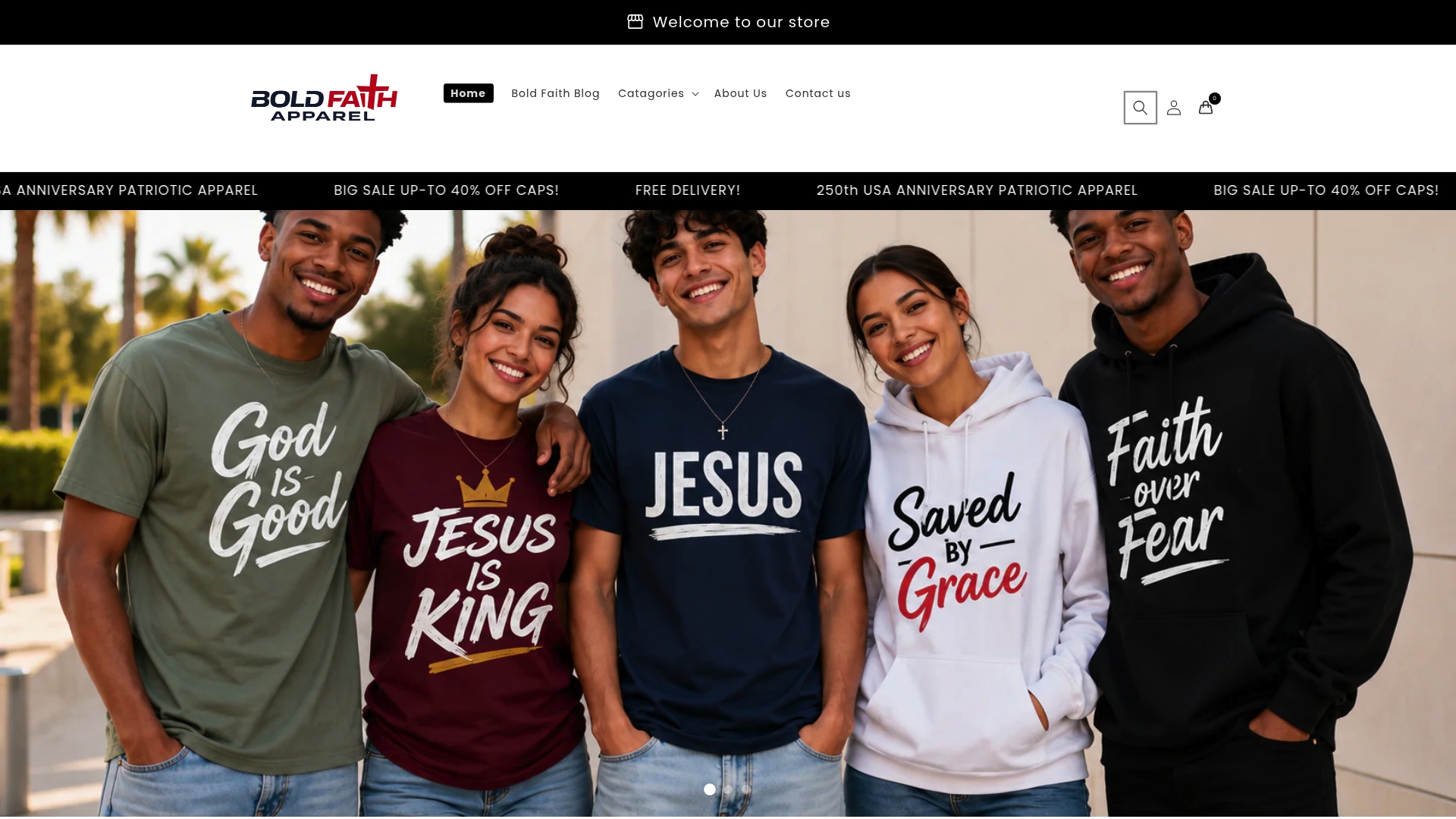
The Christian Bible Verse Unisex Hoodie from Boldfaithapparel is built for exactly that. It carries bold Christian messages and Bible verses that declare your identity before you say a word. Messages like “Jesus Saves,” “Faith Over Fear,” and “He is Risen” are not decoration. They are testimony. Boldfaithapparel offers free delivery and high-quality construction so your faith statement holds up every day. Shop the full collection at boldfaithapparel.com and wear what you believe.
FAQ
What are the main benefits of a faith-centered lifestyle?
A faith-centered lifestyle improves mental health, physical longevity, and social connection. Research shows a 10-to-1 positive mental health ratio and a 28% lower dementia risk linked to high life purpose among people of faith.
How does faith affect mental health specifically?
Faith improves emotional regulation and self-awareness, reducing anxiety and impulsive reactions. Meta-analyses of scientific literature consistently show religious involvement associates with lower rates of depression and greater psychological well-being.
Can faith actually improve physical health?
Yes. Studies link religious involvement to a 7-to-1 positive ratio in physical health outcomes, including cardiovascular health and lower addiction risk. High life purpose, which faith provides, also reduces inflammation and dementia risk.
What daily habits support a faith-driven lifestyle?
Prayer, Scripture reading, journaling, and weekly worship are the core habits. Experts recommend 5–10 minutes of daily spiritual practice to build resilience and purpose, similar to how physical exercise builds strength.
Is faith about surrendering control?
No. Faith strengthens emotional control and self-awareness rather than eliminating personal agency. Dr. William Van Gordon’s research on spirituality shows that faith enables calmer, more intentional responses to life’s challenges.


