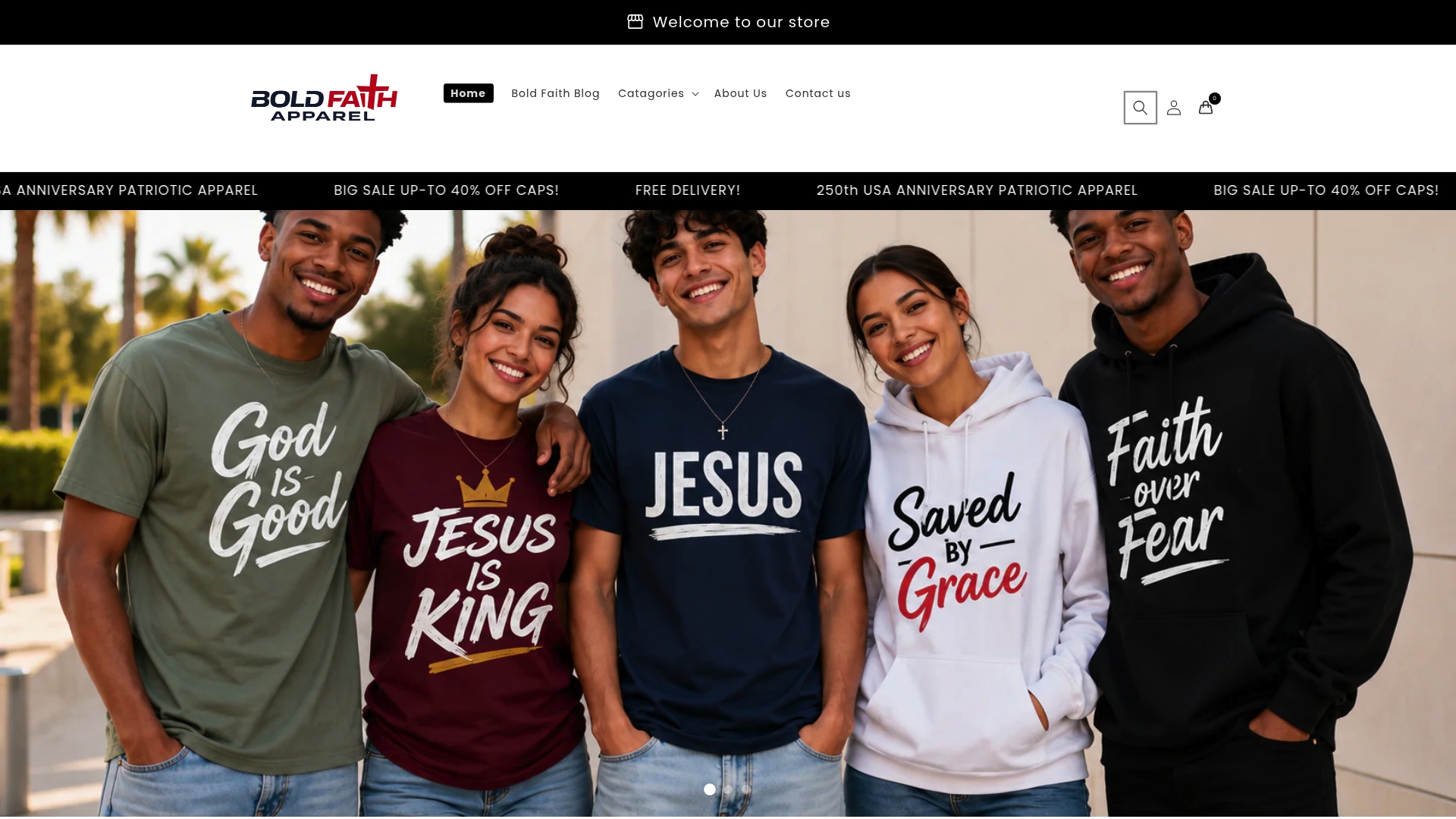
Color in Christian apparel is not decoration. It is theology made visible. Every shade worn by a believer, from the white of Easter robes to the deep purple of Lent vestments, carries a specific spiritual meaning rooted in Scripture and centuries of liturgical practice. The role of color in Christian apparel is to communicate faith and theological truth without a single word spoken.
Here is a quick reference to the core colors and what they say:
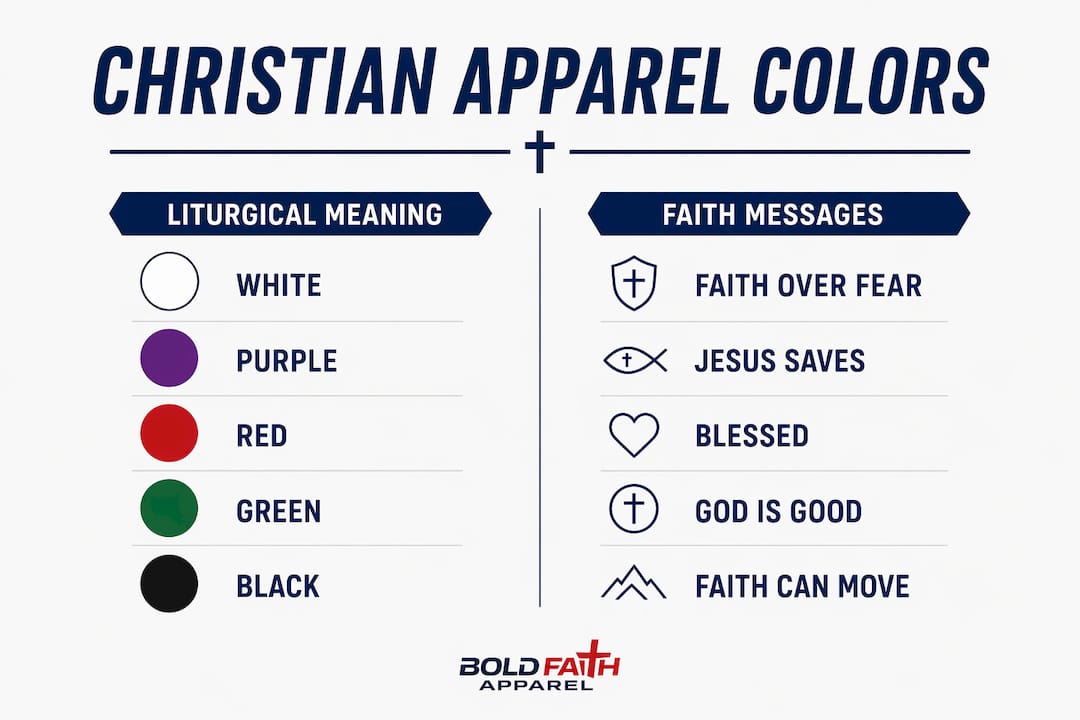
- White: Purity, holiness, resurrection joy
- Red: Sacrifice, the blood of Christ, the fire of the Holy Spirit, and martyrdom
- Green: Hope, new life, and growth in everyday faith
- Purple: Royalty, penance, preparation during Advent and Lent
- Black: Mourning, death, and solemn reflection
Blue is also present in some traditions, symbolizing faith, truth, and heaven, but the five primary liturgical colors in most Western traditions are white, red, green, purple, and black.
These colors connect to the liturgical calendar and mark specific seasons of the Christian year. They are not arbitrary choices. They are a visual language the Church has used for generations to help believers engage emotionally and intellectually with the Gospel.
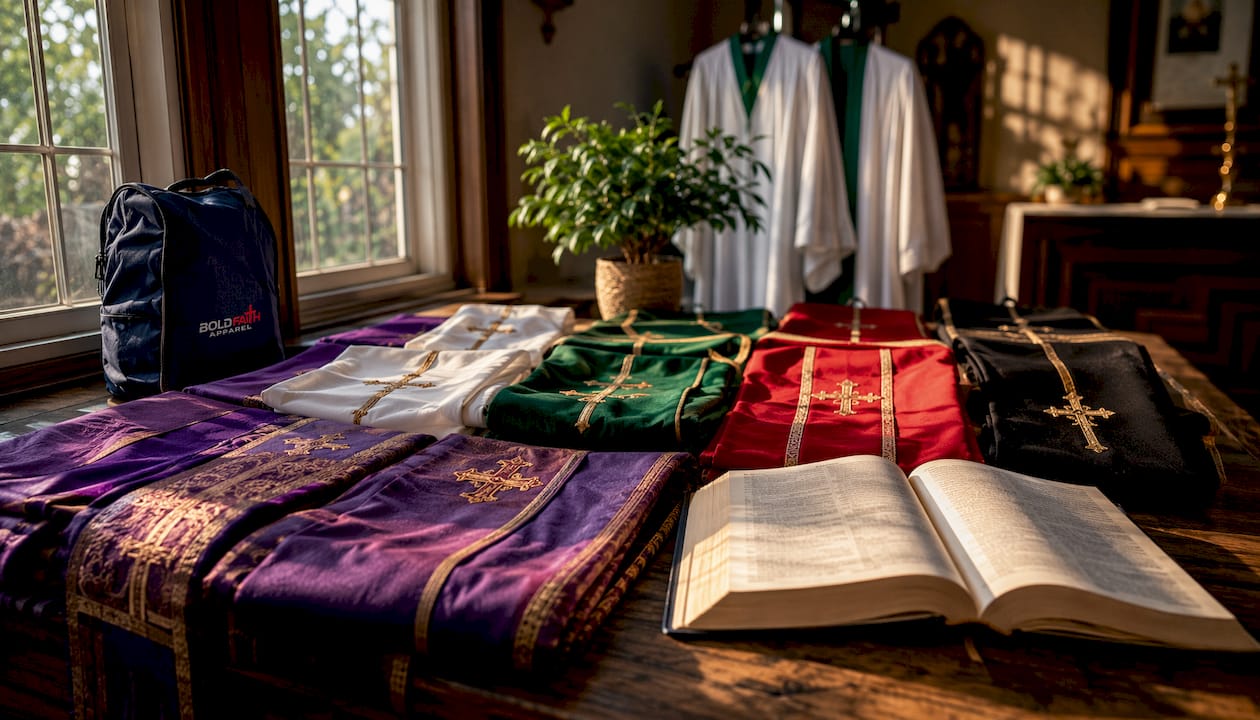
What each color in Christian apparel actually means
The theological weight behind each color is specific and traceable to biblical text and church tradition. Understanding these meanings helps you choose apparel that says something real about your faith.
-
White stands for purity and completeness. Scripture declares that sins “shall be white as snow” (Isaiah 1:18), and white symbolizes Christ’s absolute holiness, the redemption of sin, and resurrection joy. It appears on Easter and Christmas garments, baptismal robes, and wedding attire across most Christian traditions.
-
Red represents the fire of the Holy Spirit and the sacrifice of Christ. On Pentecost, red recalls the tongues of fire that descended on the apostles. It also honors martyrs who gave their lives for the faith. A red “JESUS Saves” hoodie or a bold crimson “Faith Over Fear” tee carries that weight visually, whether the wearer knows it or not.
-
Blue signals faith, truth, and the heavens. The Hebrew term tekelet, used in Exodus 28 for priestly garments, is translated as blue or violet. Blue indicates heaven, the Holy Spirit, and truth. In contemporary fashion, blue also reads as trustworthy and calm, which aligns naturally with its biblical meaning.
-
Purple was the most expensive dye in the ancient world, reserved for royalty and priests. It became an official color of the tabernacle and Aaron’s priestly garments (Exodus 26:1). In the liturgical calendar, purple marks Advent and Lent, seasons of preparation and repentance. Wearing purple in a faith context signals both the royalty of Christ and the believer’s call to humility.
-
Green covers Ordinary Time in most Western church traditions. It represents hope, new life, and the daily growth of faith. Green is the color of perseverance, the quiet season between the high feasts when believers simply live out what they believe.
-
Black carries mourning and death. In the Catholic tradition, black appears at funerals and on Good Friday. Black in Christianity can also represent sin, which leads to death, though it is increasingly paired with hope in resurrection-focused contexts.
Biblical and liturgical foundations for color in Christian garments
The structured use of color in Christian worship did not appear overnight. The Catholic Encyclopedia traces the formal system of liturgical colors to the High Middle Ages, with Pope Innocent III proposing a color system in the 12th century and the Council of Trent officially establishing it in the 16th century. The 1969 reform of the Roman Missal updated these colors for contemporary practice.
The Lutheran Church Missouri Synod describes liturgical color as a “handmaiden to theology,” a sensory cue that reinforces the Gospel message and helps believers engage with faith throughout the church calendar. Color is not magic. It is symbolic communication, and tradition is its primary guarantor of meaning.
| Liturgical Color | Biblical Basis | Liturgical Season / Occasion |
|---|---|---|
| White | Isaiah 1:18 | Easter, Christmas, baptisms, feasts of saints |
| Red | Acts 2:3 | Pentecost, feasts of martyrs, Palm Sunday |
| Blue | Exodus 28; Numbers 15 | Advent (many Protestant and Anglican traditions) |
| Purple | Exodus 26:1 | Advent, Lent, penitential seasons |
| Green | Psalm 23; John 10 | Ordinary Time, Epiphany season |
| Black | Job 30; Lamentations 3 | Good Friday, funerals, Requiem Masses |
Denominational practice varies. The Evangelical Lutheran Church in America uses blue for Advent and gold for Easter Sunday. The Presbyterian Church (USA) follows a similar Western pattern, with purple for Advent and Lent, white for Christmas and Easter, and green for Ordinary Time. Anglican churches often substitute Sarum Blue for violet during Advent. The Coptic tradition uses white vestments almost exclusively, with black reserved for Passion Week. These differences reflect cultural and theological emphases, not disagreements about the core symbolism.
Wearing colors aligned with the liturgical calendar in daily outfits helps believers stay connected to the rhythms of the Christian year, even outside of Sunday worship.
How color in apparel becomes a public statement of faith today
Color in Christian apparel functions as a coded spiritual message the moment it leaves the church building. A white “He is Risen” tee at a grocery store, a navy hoodie printed with “Faith, Love, Hope” in bold red lettering, a purple “JESUS is KING” sweatshirt worn on a college campus: each one communicates conviction before a single conversation starts.
The blend of liturgical tradition and contemporary color psychology makes this communication layered. Color meanings in fashion depend on context, occasion, and the person wearing the clothes, but they are never neutral. Red reads as bold and urgent. White reads as clean and intentional. Blue reads as trustworthy. When those cultural readings align with biblical symbolism, the message doubles in strength.
There is an important theological boundary here. Colors symbolize spiritual truths but do not possess inherent spiritual power. A red shirt does not carry the blood of Christ. A white hoodie does not make the wearer holy. Color points to truth; it does not replace it. Choosing apparel colors thoughtfully is an act of intentional witness, not a spiritual ritual.
Purple offers a clear example of this contextual shift. In a liturgical setting, purple signals penance and preparation. In everyday life, purple often suggests royalty or dignity independently of its church meaning. A believer wearing a purple “Not My Strength but His” hoodie communicates both: the royalty of Christ and the humility of the wearer.
Pro Tip: When choosing a faith-based T-shirt or hoodie, match the color to the message. A “Faith Over Fear” tee in bold red amplifies urgency and courage. A “Praise the Lord Psalm 150:6” design in white speaks to purity and joy. The color and the words work together as your public testimony.
How color meanings shift across Christian cultures worldwide
Color does not carry the same meaning in every culture, and Christianity spans every culture on earth. This creates real variation in how color functions in Christian apparel around the world.
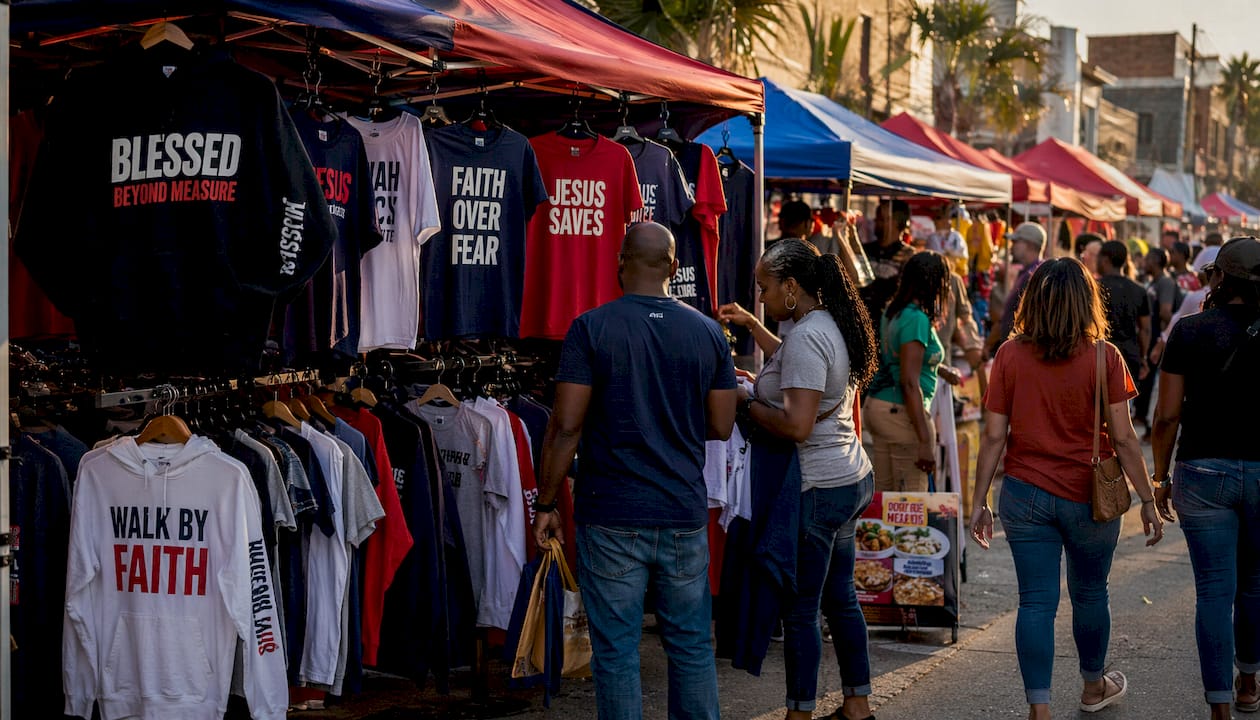
In Western Christianity, white is the color of weddings and purity. In several East Asian cultures, white is the color of mourning and death. A white “Blessed” tee reads as joyful in the United States and carries an entirely different weight in parts of China or Korea. Similarly, black signals mourning in the American Christian context, but in some African Christian traditions, vibrant color at funerals expresses resurrection hope rather than grief.
Purple illustrates another split. In Japan, purple historically suggests evil or infidelity. In the Western church, it signals royalty and penitence. A purple vestment or a purple faith tee lands differently depending on who is reading it and where.
Red carries nearly universal energy and urgency, but its specific associations vary. In China, red signals luck and celebration. In the United States, it reads as bold, passionate, and urgent. Both readings can serve a faith message, but the emphasis shifts. A red “There is Power in the Name of JESUS” hoodie resonates with American believers as a declaration of spiritual strength. In a Chinese Christian context, the same red might carry an additional layer of festive celebration.
These variations do not undermine the core symbolism. They remind believers that color is a communication tool, and good communication requires knowing your audience. The Christian apparel trends emerging in 2026 reflect this awareness, with designers choosing color schemes that speak clearly to specific communities rather than assuming one palette fits every context.
Color in specific Christian garments: stoles, chasubles, and robes
The most direct expression of liturgical color symbolism appears in specific garments worn during worship. Each piece carries its color with theological purpose.
Chasubles are the outer vestments worn by priests during Mass or the Eucharist. The chasuble changes color with the liturgical season: white for Easter and Christmas, red for Pentecost and martyrs’ feasts, green for Ordinary Time, purple for Advent and Lent, and black for Requiem Masses. The Roman Rite established five primary colors: white, red, green, purple (violet), and black, with rose permitted on Laetare and Gaudete Sundays.
Stoles are long, narrow strips of fabric worn over the shoulders by ordained clergy. The stole matches the chasuble’s liturgical color and signals the minister’s role and the season.
Robes and albs are typically white, reflecting the baptismal garment and the purity of those who serve at the altar. Choir robes in many Protestant traditions follow a similar logic, with black robes signaling solemnity and white stoles or hoods indicating academic or ministerial rank.
Baptismal garments are almost universally white across Christian traditions, directly referencing the scriptural image of being clothed in Christ’s righteousness (Galatians 3:27). The white garment placed on a newly baptized believer exemplifies color functioning as theology in action.
Beyond formal vestments, everyday Christian apparel carries this tradition forward. A navy blue “Faith Can Move Mountains” hoodie or a white “Jesus the Way the Truth and the Life John 14:6” tee extends the symbolic language of the sanctuary into the street. Boldfaithapparel designs its pieces with this in mind, pairing message and color so that the garment speaks as a whole.
Key Takeaways
Color in Christian apparel communicates theological truth visually, drawing on biblical symbolism and centuries of liturgical tradition to make faith visible in everyday life.
| Point | Details |
|---|---|
| Color communicates theology | Each liturgical color carries a specific biblical meaning, not a decorative one. |
| Five core liturgical colors | White, red, green, purple, and black are the primary liturgical colors in Western Christian tradition. |
| Tradition guarantees meaning | The primary source of color symbolism in Christian apparel is church tradition, not personal preference. |
| Color has no spiritual power | Colors are symbolic tools that point to truth; they do not carry inherent spiritual authority. |
| Cultural context shapes meaning | The same color can carry different meanings across Christian cultures, requiring intentional communication. |
Wear your faith out loud. The Christian Bible Verse Unisex Hoodie from Boldfaithapparel pairs bold faith messaging with intentional color choices so your apparel does the talking before you say a word.