

The most effective ways to overcome spiritual doubt are returning to Scripture daily, praying honestly instead of pretending, testing where the doubt actually comes from, and bringing it into the light with trusted believers instead of hiding it. Jude 22 tells the church to “have mercy on those who doubt,” which means your doubt isn’t a disqualifier from faith. It’s an invitation into deeper dependence on God.
Here’s where to start today:
- Pray the honest prayer of Mark 9:24: “Lord, I believe; help my unbelief.”
- Read Scripture for 10 to 15 minutes, even when it feels dry.
- Ask whether the doubt is emotional, circumstantial, or intellectual before you react to it.
- Tell one trusted Christian what you’re actually wrestling with.
Key Takeaways
Overcoming spiritual doubt requires honest prayer, consistent Scripture reading, testing the source of the doubt, and confessing it to trusted believers rather than hiding it.
| Point | Details |
|---|---|
| Doubt isn’t unbelief | Doubt is a mental struggle; unbelief is a settled refusal, per Desiring God. |
| Pray the honest prayer | Use Mark 9:24’s model, “Lord, I believe; help my unbelief,” instead of pretending certainty. |
| Test the doubt’s source | Separate emotional, circumstantial, and intellectual doubts before choosing a response. |
| Build a daily Scripture habit | Read 10 to 15 minutes daily since faith grows through hearing God’s word (Romans 10:17). |
| Bring doubt into community | Share struggles with a trusted believer or pastor rather than isolating with the question. |
Table of Contents
- 7 Ways to Overcome Spiritual Doubt
- What causes spiritual doubt, and is it the same as unbelief?
- Building daily habits that steady your faith
- When doubt needs more than a devotional plan
- A word from Larry at Bold Faith Apparel
- Where the usual advice on doubt falls short
- Sources
7 Ways to Overcome Spiritual Doubt
Doubt doesn’t disappear because you white knuckle your way past it. It fades when you respond to it with specific, repeatable action. These seven strategies draw from a pastoral framework outlined by The Gospel Coalition, adapted here into practical steps you can start this week.
1. Have mercy on yourself and others
Jude 22 commands believers to show mercy to those who doubt, and that mercy starts with yourself. Beating yourself up over uncertainty only adds shame to confusion. Today: stop treating your doubt as a moral failure and name it out loud, even if only in a journal. Sign it’s working: you stop hiding the doubt and start examining it.
2. Recognize doubt can deepen faith
Wrestling with hard questions has produced some of the most convictional believers in church history, not the shallowest ones. A faith that’s never been tested is often a faith that’s never been examined closely. Today: write down the specific question underneath your doubt instead of the vague feeling of “I don’t know if I believe anymore.” Sign it’s working: you can name the actual issue instead of just the anxiety around it.
3. Live by the faith you still have
You don’t need total certainty to take the next faithful step. If you still believe enough to pray, still believe enough to show up, act on that instead of waiting for doubt to vanish first, and consider physical reminders like church signage signs to encourage your faith journey. Today: do the next obedient thing your remaining faith allows, whether that’s attending church or reading one chapter of the Bible. Sign it’s working: obedience starts feeling less forced over a few weeks.
4. Doubt your doubts
Not every doubt deserves the same authority over your life. Research on the psychology of belief suggests most doubts about God are emotional or circumstantial rather than purely intellectual, which means the fix usually isn’t more information. It’s addressing the underlying hurt, disappointment, or fear. Today: ask yourself plainly, “Is this doubt about evidence, or is it about pain?” Sign it’s working: you can separate the emotional wound from the theological question.
5. Return to Scripture regularly
Faith is built through consistent exposure to God’s word, not sporadic bursts of Bible study when a crisis hits. Romans 10:17 ties faith directly to hearing the message, which is why a daily reading habit does more long-term work than an occasional marathon session. Today: pick one short book, like Philippians or James, and read a few verses before checking your phone. Sign it’s working: verses start coming to mind unprompted during the day.
6. Pray honestly and journal
Pretending you’re fine with God gets you nowhere. Bring him the actual doubt, the way the father in Mark 9:24 did, and write down what you prayed along with anything that shifts afterward. Today: pray one honest sentence about your doubt before bed and jot it in a notebook. Sign it’s working: your prayers get shorter on performance and longer on honesty.

7. Share your doubts with trusted Christians
Doubt isolates when it stays private, and isolation makes it grow. Pastoral guidance consistently points to confessing doubt to safe people as one of the fastest ways to regain footing, because someone else’s steady faith can carry you when yours is wobbling. Today: text or call one person from church and say, “Can I be honest about something I’ve been struggling with?” Sign it’s working: the doubt loses its grip once it’s spoken out loud.
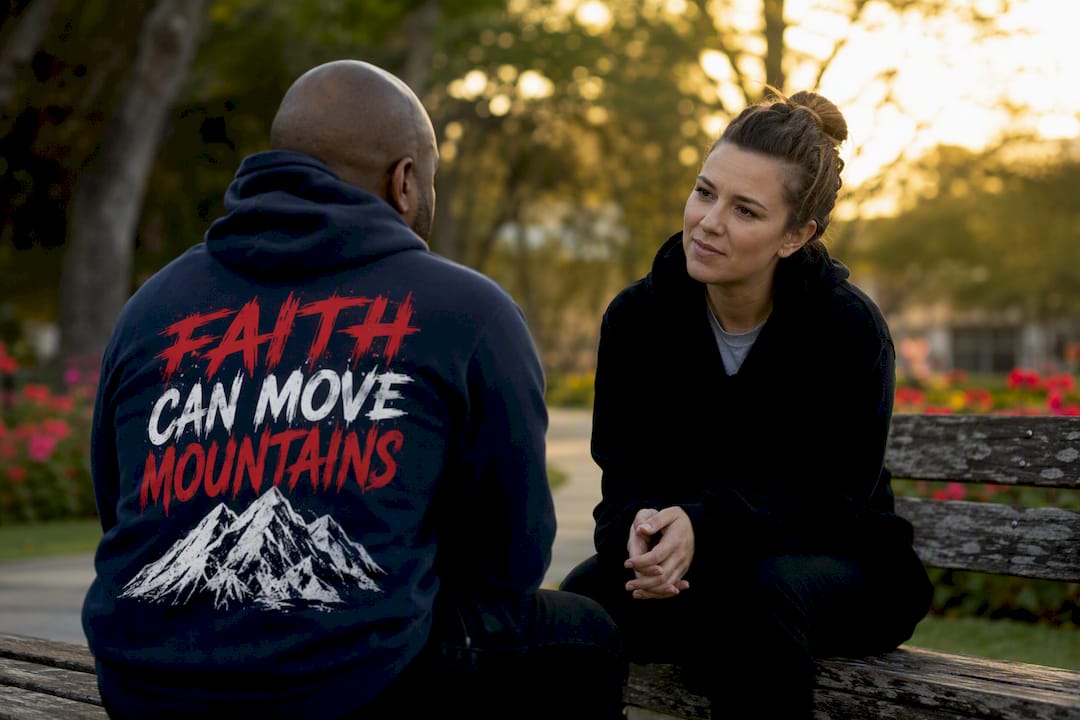
Pro Tip: Keep a small “doubt journal” next to your Bible. Every time a question surfaces, write the date, the question, and one verse you looked at. Six months later, you’ll see a pattern of what triggers doubt and what actually resolves it, and that record becomes its own testimony.
What causes spiritual doubt, and is it the same as unbelief?
Doubt usually traces back to one of a handful of triggers: hard circumstances (illness, loss, unanswered prayer), intellectual questions about Scripture or science, emotional wounds from church hurt, strained relationships, personality traits that lean skeptical, or a specific decision you’re avoiding. Naming the trigger matters more than fighting the feeling in general.
Doubt and unbelief aren’t the same thing, and confusing them causes unnecessary guilt. Doubt is a struggle of the mind, a tension between what you believe and what you’re currently unsure of. Unbelief is a settled refusal of the will to trust God at all. Desiring God’s treatment of Mark 9:24 points out that even the father who cried “I believe; help my unbelief” was already exercising faith by bringing his need to Jesus.
Use this quick self-check:
- If the question is factual (Did the resurrection happen? Is the Bible reliable?), study and read trusted theologians.
- If the wound is relational or emotional (church hurt, grief), seek community and pastoral conversation, not just books.
- If the doubt has lasted months and affects your ability to function, pursue counseling rather than more research.
Building daily habits that steady your faith
Scripture reading is the backbone of a stable faith because “faith comes from hearing,” per Romans 10:17. A workable plan looks like 10 to 15 minutes each morning in one book, followed by two or three lines in a journal answering, “What did this passage say about God?”
- Pray like the father in Mark 9:24. Say the words out loud: “Lord, I believe; help my unbelief.” Track what happens after you pray it.
- Worship even when you don’t feel it. Singing truth over your emotions retrains what you believe, not just how you feel.
- Join a small group or accountability pair. Steady faith is contagious, and isolation is doubt’s favorite environment.
Pro Tip: Write your prayers in the same notebook as your Scripture journal. When doubt resurfaces later, you’ll have a written record of how God has already answered you before.
When doubt needs more than a devotional plan
Some doubt runs deeper than a habit change can fix. Watch for warning signs like persistent thoughts of self-harm, months of depression that won’t lift, a collapse of moral direction, or a functional decline at work, school, or home that’s lasted weeks.
- Talk to your pastor first. That relationship already carries trust and context.
- Search denominational counseling directories or the American Association of Christian Counselors for a licensed, faith-aligned counselor.
- Expect confidentiality and a process, not a one-session fix.
A word from Larry at Bold Faith Apparel
…
Doubt visited nearly every believer worth reading about in Scripture, from Thomas to John the Baptist, and none of them stayed there. This week, pick one honest prayer and pray it daily. Bold Faith Apparel exists because visible faith, worn boldly, reminds a doubting world (and a doubting you) that Jesus is still King.
— Larry
Where the usual advice on doubt falls short
Most advice on spiritual doubt either shames the doubter into silence or drowns them in apologetics they didn’t ask for. Neither works, because most doubt isn’t primarily an information problem. It’s a trust problem born out of pain, disappointment, or exhaustion. The research behind this article points somewhere more useful: mercy first, mechanism second.
Readers should prioritize the prayer in Mark 9:24 over the debate club approach. Say the honest sentence to God before you try to out argue your own mind. Then build the boring, repeatable habits, a short daily reading, a journal entry, a phone call to someone who knows your name, because those habits outperform any single breakthrough moment.
If you want a tangible way to keep that fight visible, wearing a reminder like a Bible verse hoodie or a Faith Over Fear sweatshirt works the same way a journal does. It puts truth in front of your eyes on the days your heart won’t cooperate. Faith over fear isn’t a slogan when you’re the one who needed to read it that morning.
Sources
- Faith comes by hearing — First15 devotional
- 7 Ways to Deal with Doubt — The Gospel Coalition
- An Open Letter to Christians Who Doubt — Crossway


